

Litecoin has become one of the most popular cryptocurrencies for online payments, prized for its low fees and quick transaction times. In the global gaming market, these traits are turning heads, especially among operators who want smoother cash flows and lower costs. As online gambling expands across Europe, the role of digital coins like Litecoin is moving from a fringe option to a serious business tool.
Swiss players and operators are exploring options like LTC Casinos Schweiz as a way to compete with international gaming platforms. These sites accept Litecoin deposits and withdrawals, giving users an alternative to credit cards, bank transfers, and e‑wallets. While the Swiss gambling market is tightly regulated, offshore platforms that support crypto are drawing attention from both players and payment service providers.
Why Litecoin Appeals to Casinos and Players

At its core, Litecoin was designed to improve on Bitcoin’s weaknesses. It processes transactions more quickly and with lower fee structures. For online casinos, this means settlements in under 10 minutes in many cases, a speed comparable to leading e‑wallets and much faster than bank transfers.
Operators benefit from reduced processing costs, and some can pass these savings on to players through tighter spreads on bets or larger bonus offers. Many crypto gaming platforms list Litecoin alongside Bitcoin and Ethereum as mainstream deposit options.
From the player’s perspective, Litecoin’s speed and predictability boost confidence. Deposits arrive quickly, allowing gamers to start playing sooner. Withdrawals in LTC can also be processed faster than traditional methods, subject to the casino’s own cash‑out policies. Some sites even offer bonuses tied to cryptocurrency deposits, though Litecoin‑specific promos tend to be less common than those for Bitcoin.
Business Benefits for Operators
For casino operators, integrating Litecoin can open doors to new revenue streams and markets. Cryptocurrency users often prefer platforms that support fast, efficient payments with minimal friction. By catering to this demographic, operators can increase customer acquisition and retention. Lower transaction fees also improve margin management, especially for high‑volume games and frequent players.
Litecoin’s decentralized nature reduces reliance on traditional banking rails. This is significant in Switzerland, where licensed operators must comply with strict anti‑money‑laundering (AML) and know‑your‑customer (KYC) rules under the Federal Act on Money Games. At the same time, offshore casinos licensed in jurisdictions such as Curaçao often lead in offering crypto payments because they can adapt faster to digital asset trends and privacy preferences.
Infrastructure and Payment Integration
Adding Litecoin as a payment option involves technical and compliance decisions. Operators need secure wallet integration and reliable transaction monitoring tools. Some gaming platforms partner with third-party payment processors that specialize in digital assets. These processors handle wallet management, conversions, and AML checks on behalf of the casino. This reduces complexity for operators, especially smaller ones without in-house blockchain expertise.
Swiss operators who want to support crypto must also navigate regulatory scrutiny. While cryptocurrencies are legal in Switzerland, regulated online casinos typically favour fiat payments because they fit cleanly within existing AML and licensing frameworks. Crypto solutions must align with Swiss law, ensuring that transactions are transparent and compliant.
Market Trends and Challenges
Despite its advantages, Litecoin’s adoption in the Swiss gaming industry faces challenges. The regulatory environment is cautious toward crypto gambling, and licensed local operators have been slow to offer direct LTC support. Meanwhile, offshore Litecoin casinos continue to grow in popularity but sit in a grey area for Swiss players due to licensing and access restrictions.
Another concern for both operators and players is volatility. Like other cryptocurrencies, Litecoin’s price can fluctuate significantly. This can affect the value of deposits and winnings if LTC is held on a platform rather than converted immediately to fiat. Operators must balance offering crypto options with protecting their revenue streams and customer expectations.
Finally, responsible gambling and security are paramount. Crypto transactions are irreversible. If a user sends funds to the wrong address, it is almost always impossible to reverse the transfer. Casinos and payment providers must educate users on safe practices and implement strong authentication methods to protect accounts and funds.
The Future of Litecoin Payments in Swiss Gaming
Looking ahead, the use of Litecoin and similar digital assets in Switzerland’s online gaming landscape is likely to grow. Emerging technologies that integrate blockchain for provably fair gaming and on-chain betting could further boost interest. Operators exploring hybrid models that accept both crypto and traditional payments will be better positioned to serve diverse player preferences.
Regulatory clarity will be a key driver. As laws evolve and Swiss authorities refine rules around cryptocurrency payments in gambling, more licensed operators may consider offering LTC as part of their payment stack. Whether this leads to broad adoption or remains a niche feature will depend on market demand and how quickly the industry can address compliance and risk management issues.
READ ALSO: Crypto Payment in the Gambling Industry
Conclusion
Litecoin casinos are reshaping parts of the gaming ecosystem by offering speed, lower costs, and access to a global customer base. For Swiss operators and payment providers, LTC represents both opportunity and challenge. As the sector evolves, strategic adoption and careful regulation could make Litecoin a lasting part of online gaming’s financial infrastructure.
In the years ahead, embracing Litecoin could help Swiss gaming platforms innovate and remain competitive in a crowded market, while offering players fresh ways to engage with digital entertainment.
 Most bettors judge themselves by one thing only: whether they won or lost. That makes sense emotionally. Money is the scorecard. But it’s also misleading. Short-term results are noisy. Variance hides skill. And luck can carry a bad bettor for months, even years. That’s why experienced bettors care about something else just as much, if not more: Closing Line Value, usually shortened to CLV. It doesn’t tell you how much you won last week. It tells you whether the market agreed with your bet in the long run whether your number beat where the line eventually closed at books like Nacional Bet. And that makes CLV one of the clearest signals of real betting skill.
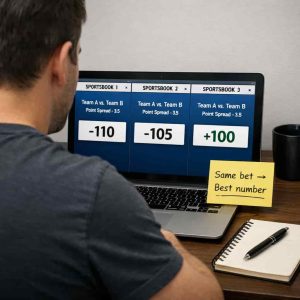 Most bettors spend their time chasing picks. They argue about models, trends, injuries, and narratives. All of that matters. But there’s a simpler edge that gets ignored more than it should: line shopping. It isn’t flashy. It doesn’t feel like an insight. But over time, it does more for your results than almost anything else you can control. Even players who place bets through platforms like DJ Bet ultimately face the same reality, price matters. If you care about long-term ROI, line shopping is the foundation.
 Professional bettors don’t think about betting the way casual players do. For them, it isn’t entertainment or impulse, it’s capital management. The bankroll is the foundation of everything they do, and how it’s structured often matters more than the bets themselves; even the platforms they choose, such as Zeroum Bet, reflect this focus on discipline and structure. At the center of professional bankroll management are two ideas: deciding whether the bankroll is fixed or flexible, and keeping betting money completely separate from everyday life money, miss either one, and even good bettors can fail.

 Online gambling platforms rake in billions annually, capitalizing on the thrill of chance. The global online gambling market was valued at over $66 billion in 2020, with projections estimating growth to $100 billion by 2026. This explosive growth stems from a mix of clever business models, advanced technology, and human psychology. But how do these platforms turn clicks into cash? Let’s break down the economics behind digital gambling, exploring the strategies that fuel their revenue streams.
 Online gambling operators face blocks in many countries each year. These restrictions come from governments aiming to control betting activities. Yet, companies like 22Bet keep their doors open through clever tactics. Mirror sites act as copies of the main website. They let users slip past bans with ease. This approach keeps the thrill alive for players worldwide. Picture a world where a simple switch of address unlocks endless games and bets. It’s not just survival; it’s smart business.
 There is risk in both, but it’s not the same kind. From the very beginning, the chances are against you when you gamble. There is always an advantage for the house in gambling establishments like casinos and sportsbooks.
 The best csgo gambling sites accept direct cryptocurrency deposit in players’ accounts, with Bitcoin, naturally leading the esports crypto betting trend. Online sports betting research shows that Counter Strike: Global Offensive (CS:GO) has been paving the way in the continuing
  CS:GO Kills Over / Under Score – bets are considered exciting because CS:GO gambling enthusiasts stake bets on a player on a per map basis; whilst predicting whether the number of kills achieved is Over/Under a set margin.







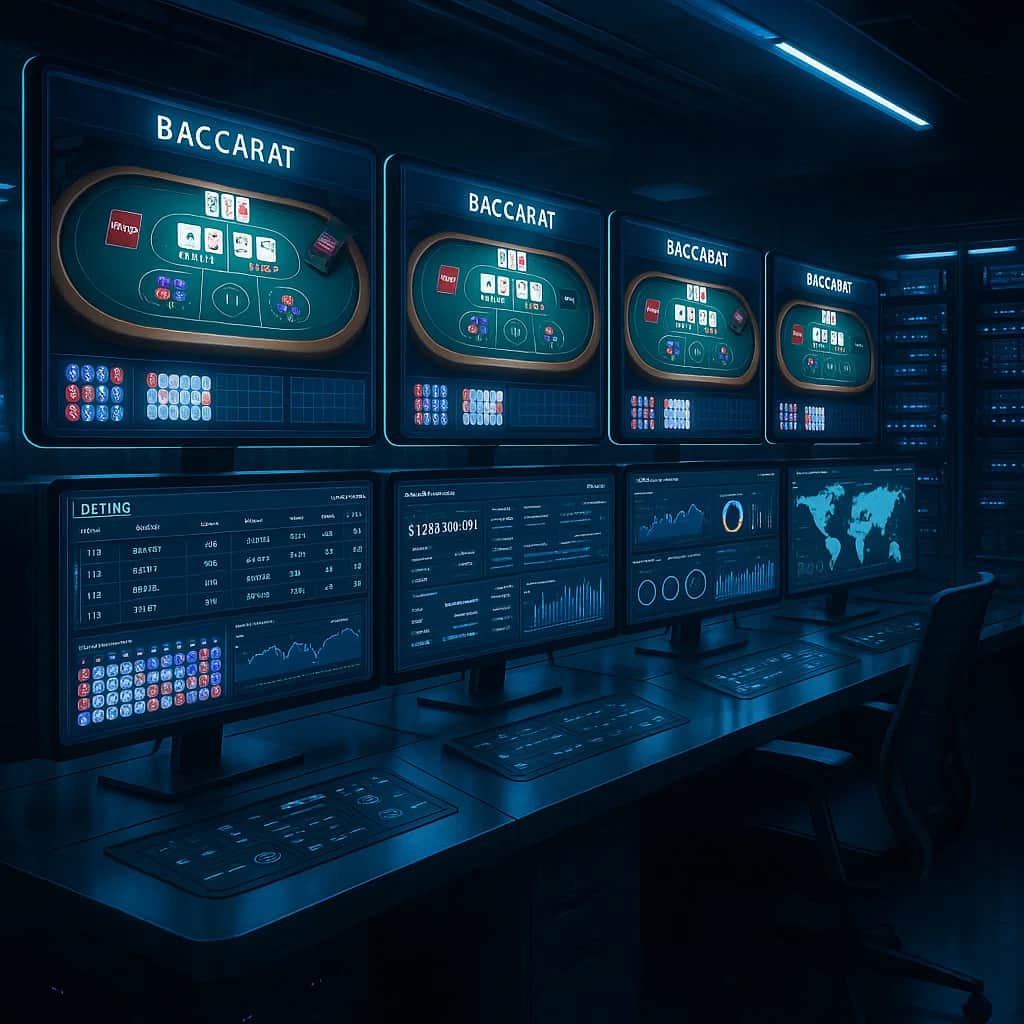
 More than half of online casino revenue often comes from a small group of high-value players. These are the patrons who deposit large sums, play frequently, and crave a premium experience that feels different from standard gaming rooms. For platforms looking to stand out, developing an ecosystem tailored to these players has become a powerful business model, transforming ordinary gambling sites into exclusive hubs of luxury entertainment.
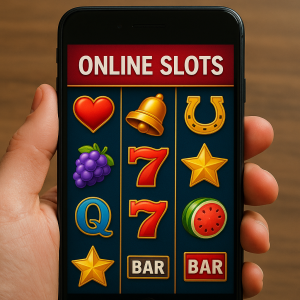 When you sit down at a slot machine, one of the first things you’ll notice on the reels is the variety of symbols. Some are standard icons like fruits, numbers, or themed images. Others, however, carry special functions that can change the outcome of your spin. Among the most important of these in any casino online game are wild symbols.
 Every decision in business involves risk, just like placing a bet in a casino. Both worlds rely on probability, strategy, and the ability to manage losses while maximizing wins. Entrepreneurs and business leaders often use principles that gamblers rely on—risk management, calculated betting, and understanding odds—to make smart financial decisions.


 Attracting and keeping players in the cutthroat online casino business depends on a flawless and easy-to-use interface. Simple and understandable layout of the Sinar303 alternative link helps gamers to locate and access their chosen gaming sites. Using data analytics, Sinar303 provides tailored recommendations depending on player interests and behavior, therefore improving the user experience generally.