


Every business decision involves some uncertainty. Companies invest in new products, enter unfamiliar markets, hire employees, and respond to changing customer needs without knowing exactly what the future will bring. Although business decisions differ significantly from gambling, comparing the two can help explain why disciplined risk management matters.
Understanding Risk and Probability
Businesses regularly evaluate the likelihood of different outcomes. A retailer may estimate customer demand before ordering inventory, while a startup may assess whether projected revenue can cover operating costs.
These decisions benefit from evidence, realistic assumptions, and contingency planning. Gambling, by contrast, may involve outcomes that are largely determined by chance, depending on the activity.
The important lesson is that uncertainty should be acknowledged rather than ignored. A promising forecast is not a guarantee, and historical success does not automatically predict future performance.
Diversification Can Reduce Exposure
Companies can reduce their dependence on a single source of revenue by serving different customer groups, offering complementary products, or developing multiple distribution channels.
For example, a small business that relies entirely on one major client may experience serious difficulties if that client ends the relationship. A more diversified customer base can provide greater stability.
However, diversification is not a guarantee against losses. Businesses must still evaluate costs, operational complexity, and whether new activities fit their capabilities.
Set Limits Before Taking Risks
Responsible business planning involves defining acceptable losses before committing substantial resources. A company might establish spending limits for a new campaign, set a maximum inventory investment, or require additional approval when a project exceeds its original budget.
These safeguards prevent enthusiasm from overriding financial discipline. Managers should also identify warning signs that would justify pausing or ending a project.
The same principle applies to personal financial decisions: money needed for essential obligations should not be exposed to speculative activities. Gambling should never be considered a reliable business strategy or substitute for predictable income.
Use Data Without Overconfidence
Financial reports, customer feedback, and market research help organizations evaluate performance. Yet data can be incomplete, outdated, or interpreted incorrectly. Responsible decision-makers consider alternative explanations and update their plans when circumstances change.
Regular reviews allow businesses to identify mistakes early, learn from experience, and redirect resources toward more promising opportunities.
Conclusion
Business success depends on managing uncertainty, not pretending it can be eliminated. Diversification, clear financial limits, evidence-based planning, and regular performance reviews can help organizations make more resilient decisions. Unlike gambling, sustainable business growth aims to create long-term value through products, services, relationships, and disciplined execution.
 Digital businesses can collect information about transactions, platform activity, customer behavior, and system performance. Businesses can analyze this information to identify operational patterns and improve internal processes.



 There is risk in both, but it’s not the same kind. From the very beginning, the chances are against you when you gamble. There is always an advantage for the house in gambling establishments like casinos and sportsbooks.
 The best csgo gambling sites accept direct cryptocurrency deposit in players’ accounts, with Bitcoin, naturally leading the esports crypto betting trend. Online sports betting research shows that Counter Strike: Global Offensive (CS:GO) has been paving the way in the continuing
  CS:GO Kills Over / Under Score – bets are considered exciting because CS:GO gambling enthusiasts stake bets on a player on a per map basis; whilst predicting whether the number of kills achieved is Over/Under a set margin.








 Most bettors judge themselves by one thing only: whether they won or lost. That makes sense emotionally. Money is the scorecard. But it’s also misleading. Short-term results are noisy. Variance hides skill. And luck can carry a bad bettor for months, even years. That’s why experienced bettors care about something else just as much, if not more: Closing Line Value, usually shortened to CLV. It doesn’t tell you how much you won last week. It tells you whether the market agreed with your bet in the long run whether your number beat where the line eventually closed at books like Nacional Bet. And that makes CLV one of the clearest signals of real betting skill.
 Most bettors spend their time chasing picks. They argue about models, trends, injuries, and narratives. All of that matters. But there’s a simpler edge that gets ignored more than it should: line shopping. It isn’t flashy. It doesn’t feel like an insight. But over time, it does more for your results than almost anything else you can control. Even players who place bets through platforms like DJ Bet ultimately face the same reality, price matters. If you care about long-term ROI, line shopping is the foundation.
 Professional bettors don’t think about betting the way casual players do. For them, it isn’t entertainment or impulse, it’s capital management. The bankroll is the foundation of everything they do, and how it’s structured often matters more than the bets themselves; even the platforms they choose, such as Zeroum Bet, reflect this focus on discipline and structure. At the center of professional bankroll management are two ideas: deciding whether the bankroll is fixed or flexible, and keeping betting money completely separate from everyday life money, miss either one, and even good bettors can fail.

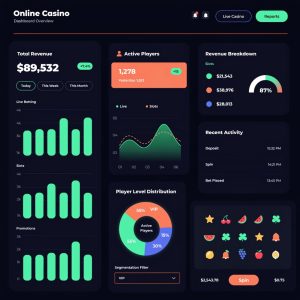
 Online gambling platforms rake in billions annually, capitalizing on the thrill of chance. The global online gambling market was valued at over $66 billion in 2020, with projections estimating growth to $100 billion by 2026. This explosive growth stems from a mix of clever business models, advanced technology, and human psychology. But how do these platforms turn clicks into cash? Let’s break down the economics behind digital gambling, exploring the strategies that fuel their revenue streams.
 More than half of online casino revenue often comes from a small group of high-value players. These are the patrons who deposit large sums, play frequently, and crave a premium experience that feels different from standard gaming rooms. For platforms looking to stand out, developing an ecosystem tailored to these players has become a powerful business model, transforming ordinary gambling sites into exclusive hubs of luxury entertainment.
 Online gambling operators face blocks in many countries each year. These restrictions come from governments aiming to control betting activities. Yet, companies like 22Bet keep their doors open through clever tactics. Mirror sites act as copies of the main website. They let users slip past bans with ease. This approach keeps the thrill alive for players worldwide. Picture a world where a simple switch of address unlocks endless games and bets. It’s not just survival; it’s smart business.
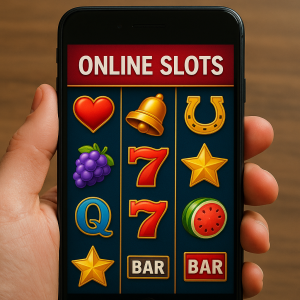 When you sit down at a slot machine, one of the first things you’ll notice on the reels is the variety of symbols. Some are standard icons like fruits, numbers, or themed images. Others, however, carry special functions that can change the outcome of your spin. Among the most important of these in any casino online game are wild symbols.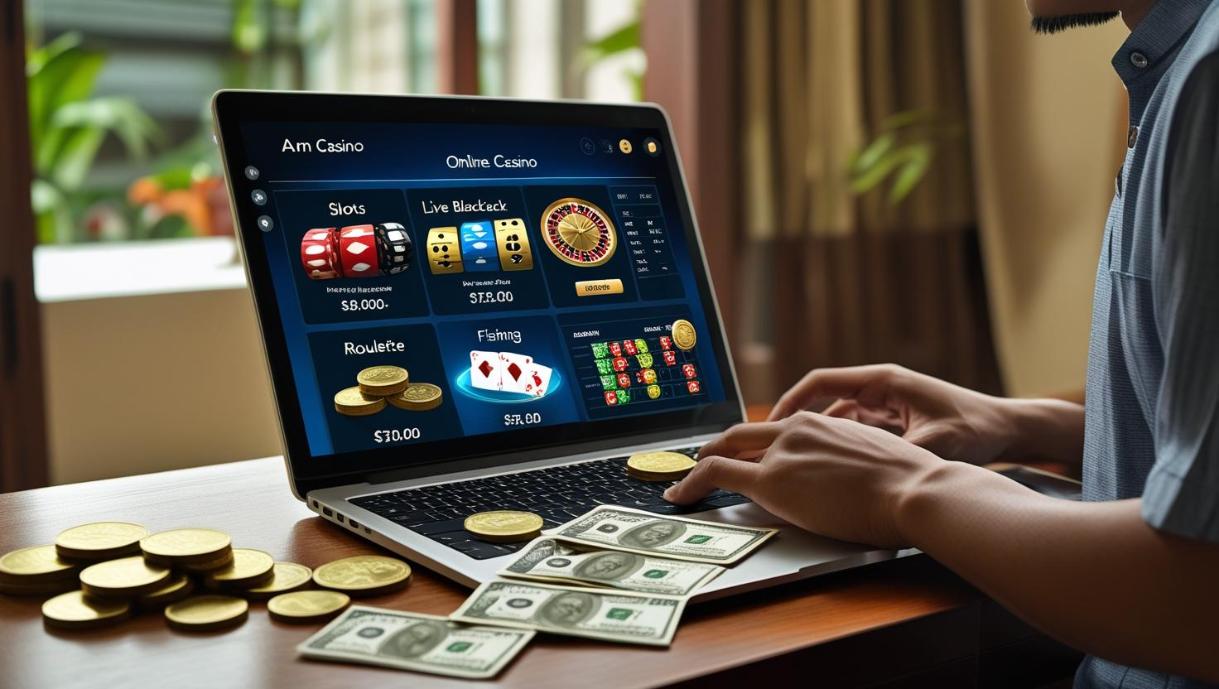
 Every decision in business involves risk, just like placing a bet in a casino. Both worlds rely on probability, strategy, and the ability to manage losses while maximizing wins. Entrepreneurs and business leaders often use principles that gamblers rely on—risk management, calculated betting, and understanding odds—to make smart financial decisions.